Where to Eat in Ubatuba: Best Restaurants and Local Cuisine Guide
Complete guide to the best restaurants in Ubatuba and Itamambuca. Seafood, caiçara cuisine, international options and tips for dining on the northern coast of Sao Paulo.
The Food Scene in Ubatuba: Flavors Between the Sea and the Atlantic Forest
Ubatuba is not just a beach destination. It is a food destination that many travelers underestimate. Wedged between the Serra do Mar mountain range and the Atlantic Ocean, the city has direct access to two of the most valuable ingredients in Brazilian cuisine: fresh seafood arriving daily on artisanal fishing boats, and Atlantic Forest produce like juçara palm heart, banana, cassava, yam, and native herbs that give the local cooking its distinct personality.
Ubatuba's cuisine is fundamentally caiçara. That term describes the culture of traditional communities along Brazil's southeastern coast, people who live from fishing, small-scale farming, and an intimate relationship with the sea and the forest. Eating in Ubatuba is, in a way, participating in that history. The classic dishes carry centuries of adaptation to what the land and sea provide: moquecas made with fresh coconut milk and just-caught fish, shrimp sauteed in butter and garlic, whole fish grilled over charcoal, cassava flour toasted to order, fried plantain as the universal side dish.
But Ubatuba has also evolved. Alongside the caiçara tradition, restaurants have appeared that blend contemporary techniques with local ingredients, Japanese houses that take advantage of the quality of fresh catch, artisanal pizzerias, Italian bistros, and specialty cafes. The city's food scene today is varied enough to please everyone from the traveler who wants fried fish with their feet in the sand to someone seeking a more refined experience.
This guide covers the best restaurants in Ubatuba by area and style, with special attention to the Itamambuca region, where options are more limited but include some of the most authentic dining experiences on the northern coast.
Caiçara Cuisine: What You Need to Try
Before discussing specific restaurants, it helps to understand the dishes that define the Ubatuba table. If you have never eaten real caiçara food, Ubatuba is the right place for your first time.
Caiçara moqueca is different from Bahian moqueca. It does not use palm oil or strong peppers. It is gentler, made with fresh fish, tomato, onion, cilantro, and coconut milk. The result is a delicate broth that highlights the flavor of the fish rather than masking it. Each restaurant has its own version, and it is worth trying more than one during your trip.
Fish wrapped in banana leaf is another classic. A whole fish is seasoned with herbs and lime, wrapped in banana leaves, and slowly roasted. The leaf seals in moisture and perfumes the flesh with a subtle vegetal aroma. It is a dish that looks simple but demands fresh fish and patience in preparation.
Ubatuba shrimp is famous along the Sao Paulo coast. The shrimp are smaller than farmed varieties, more flavorful, and with a firm texture. They appear sauteed in garlic, breaded, in broths, in moquecas, and even in adapted acarajes. The sete-barbas shrimp season runs from March to November, and this is when shrimp dishes reach their peak.
Açai in Ubatuba deserves a mention. Unlike the sweetened Amazonian açai served as a dessert, açai on the Sao Paulo coast was historically consumed plain, with cassava flour and fried fish. Today the sweet version dominates, but some places still serve açai in the traditional caiçara way.
Other dishes to seek out: dried fish with banana, fish croquettes, shrimp pastels at the street markets, tapioca with local fillings, and the banana cake with coffee that appears in nearly every bakery in the region.
Best Restaurants in Central Ubatuba and Surroundings
Central Ubatuba holds the majority of the city's restaurants. The advantage is variety. The disadvantage is that on holidays and peak-season weekends, the wait at popular spots can be long.
Peixe com Banana
This is probably the most frequently mentioned restaurant when people talk about Ubatuba. Peixe com Banana works with fresh seafood and occupies a prime location. The menu is extensive, covering everything from caiçara classics to more elaborate dishes. The signature dish that gives the restaurant its name, fish with banana, is a combination that summarizes local cuisine. The place tends to fill up quickly, especially on weekends. Arriving early or making a reservation is nearly mandatory during high season.
Restaurante Siri
Another strong name in Ubatuba gastronomy. Siri is known for the quality of its seafood and its welcoming atmosphere. Shrimp dishes are a highlight, as are the moquecas served in clay pots. It is the kind of restaurant that works for both a casual lunch and a more considered meal. Located in the central area, it has good parking facilities.
Marakuthai
For those seeking something beyond rice and fish, Marakuthai offers a kitchen that blends Asian and Mediterranean influences with local ingredients. The atmosphere is more sophisticated, with careful decor and a cocktail menu that deserves attention. Prices are higher than the Ubatuba average, but the experience justifies it for a special evening.
Toca do Coruja
Toca do Coruja has a charm of its own. It occupies a more secluded setting with rustic decor and a countryside feel. The kitchen is Brazilian with creative touches, using regional ingredients in preparations that go beyond the obvious. It is a good choice for visitors who already know the more touristy restaurants and want to discover something with more personality.
Restaurante Sushi Praia
Ubatuba has a surprisingly strong Japanese food scene, explained by the quality of fresh fish arriving daily. Sushi Praia takes advantage of this with sashimi and sushi made from local catch. Tuna, white fish, octopus, and shrimp appear in combinations that respect the raw material. For anyone who enjoys Japanese cuisine, it is a stop worth making.
Pizza na Pedra
Visitors to Ubatuba do not live on seafood alone. Pizza na Pedra is the reference for anyone wanting a good artisanal pizza. The doughs are made fresh daily, the ingredients are carefully selected, and a wood-fired oven provides the finishing touch. It works well for family dinners or for that evening when you want something different after days of seafood.
Where to Eat in the Itamambuca Area
Itamambuca is one of the most beautiful beaches in Ubatuba, but its more remote location means dining options are naturally more limited. There is no restaurant row and no variety comparable to central Ubatuba. Most options are tied to the accommodations in the area or to the few beach kiosks.
This, however, is not necessarily a drawback. The limitation forces the restaurants that do exist to operate with greater care, and some offer experiences that surpass what you find in the center.
The Restaurant at Momento Itamambuca
If there is one restaurant worth visiting in the Itamambuca area, it is the one at Momento Itamambuca. The boutique wellness hotel operates a restaurant open to both guests and outside visitors, and the approach is clear: honest cooking made with local and seasonal ingredients.
The menu changes with the seasons and the availability of regional producers. Fresh fish arrives daily and sits at the center of most dishes. The kitchen does not try to be anything other than what it is: Brazilian coastal food, prepared with technique and respect for the ingredient. There are no unnecessary flourishes and no dishes that depend on imported ingredients. What appears on the plate comes from the sea visible from your table or from the farms and gardens in the surrounding area.
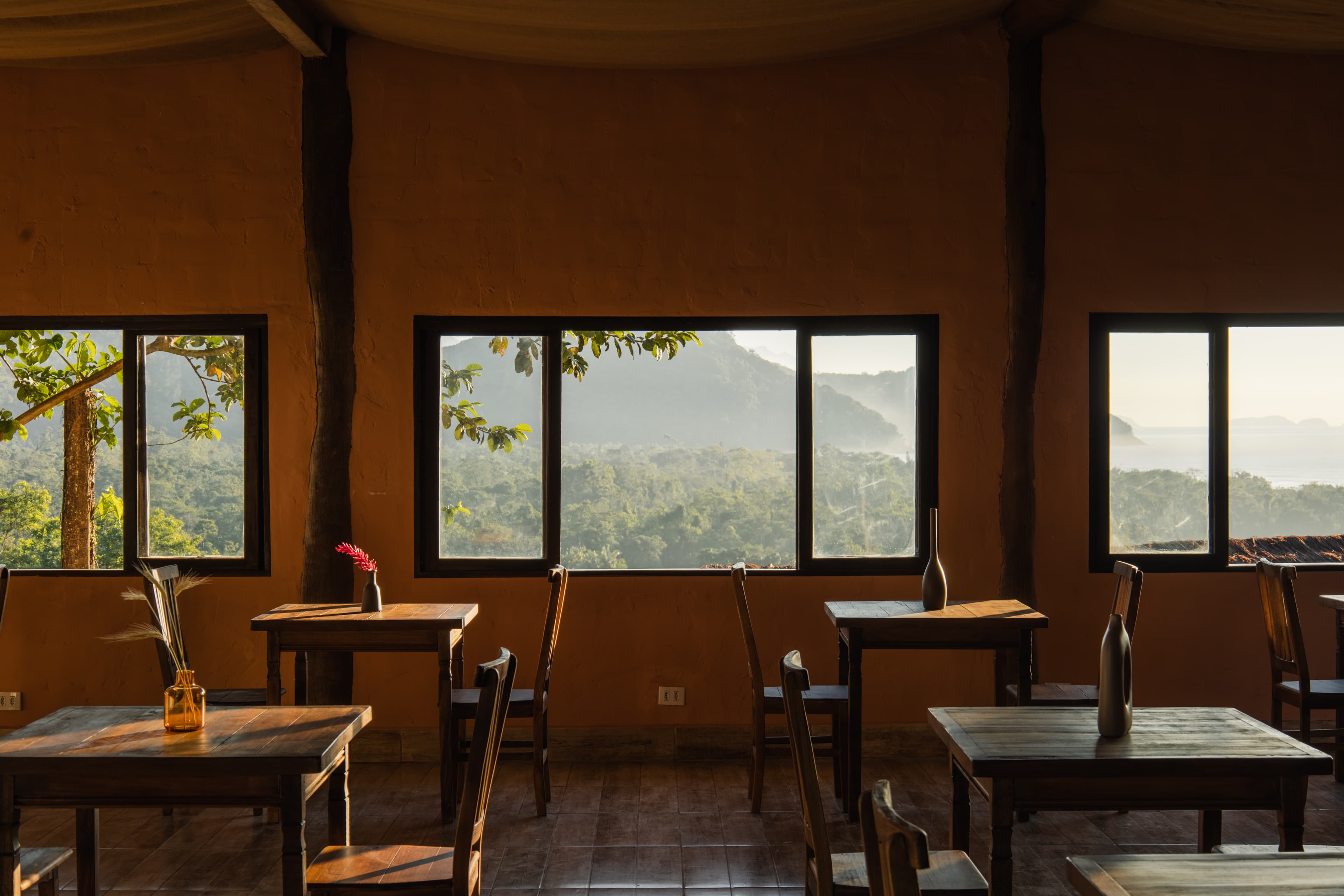
The setting also plays its part. The restaurant is integrated into the nature that surrounds the hotel, with generous natural light and the constant presence of Atlantic Forest all around. Eating there at sunset, with the sound of the ocean in the background, is one of the finest dining experiences Itamambuca offers.
Prices are fair for the quality delivered. It is neither a cheap beachside eatery nor an inaccessible fine-dining spot. It sits at a balance point that makes sense for what it offers.
For those staying at Momento Itamambuca, breakfast is included in the room rate and deserves special mention. It is served buffet-style with fresh tropical fruits, artisanal breads, homemade cakes, natural juices, eggs prepared to order, and hot dishes. The breakfast room has wide windows overlooking the Atlantic Forest, and the morning light that fills the space creates an atmosphere that makes the day feel promising before it has even begun. It is the kind of breakfast that makes you want to wake up early.
The restaurant serves lunch and dinner. For visitors who are not staying at the hotel, it is advisable to confirm availability in advance, especially during peak season.
Beach Kiosks on Itamambuca
On the beach itself, several kiosks offer simple meals and snacks. The standard is what you would expect from beach kiosks: shrimp portions, fried fish, pastels, coconut water, and cold beer. Quality varies, but the experience of eating with your feet in the sand and the ocean in front of you compensates for any limitations. For a quick lunch between swims, they work well.
Options at Neighboring Beaches
Praia do Felix, next to Itamambuca, has a few restaurants and kiosks with good reputations. The short drive expands options for those based in Itamambuca. In the opposite direction, Praia de Prumirim also has some food spots. Still, for a more complete meal outside the hotel, the safest bet is to head into central Ubatuba.
Restaurants by Category: Quick Guide
Seafood
Seafood restaurants are the flagship of Ubatuba dining, and for good reason. The city has an active fishing fleet, and the proximity between boat and kitchen guarantees a freshness that is hard to replicate in larger cities. Beyond Peixe com Banana and Restaurante Siri mentioned above, it is worth exploring the restaurants near the fishing port, where prices tend to be more accessible and the fish could not be fresher. The experience is unpretentious: simple tables, generous portions, and flavor that speaks for itself.
Japanese Cuisine
The Japanese food presence in Ubatuba is strong and makes geographic sense. With quality fresh fish available every day, the city's Japanese restaurants can offer sashimi and sushi that rival those in Sao Paulo. Beyond Sushi Praia, there are other Japanese houses scattered through the city worth exploring. The advice is simple: go to the ones that work with catch of the day and avoid those that rely on frozen fish.
Pizza and Pasta
For evenings when seafood is not what you want, Ubatuba has solid pizza and pasta options. Pizza na Pedra leads the way, but there are other artisanal pizzerias working with naturally fermented dough and quality ingredients. Some operate only for dinner, so plan ahead.
Cafes and Bakeries
Breakfast outside the hotel is a common habit among travelers renting houses or apartments in Ubatuba. The city has bakeries serving colonial breakfast spreads with cakes, fresh bread, and juices. In the center, some specialty coffee shops offer single-origin beans and alternative brewing methods. For those staying in Itamambuca, breakfast at the boutique hotel restaurant is the best option in the area, with a complete buffet and a setting that is hard to beat.
Casual and Quick
Open-air markets take place in central Ubatuba on Wednesdays and Saturdays. They are the best place to eat fresh shrimp pastels, sample regional fruits, and buy ingredients for cooking. The market pastels in Ubatuba are legendary: large, crispy, and generously filled with shrimp or palm heart. Do not pass through Ubatuba without trying at least one.
What Makes Ubatuba's Food Scene Special
Ubatuba's gastronomic advantage over other beach cities in southeastern Brazil comes down to a combination of three factors that rarely coexist.
First, the active artisanal fishing. Ubatuba is not a city that depends on fish imported from other regions. Boats go out every day and return with what the sea offers. This means that the menu at good restaurants changes with the catch, and the fish on your plate is hours old, not days.
Second, the caiçara heritage. The preparation techniques have been refined over generations by communities that live from the sea and the land. Caiçara moqueca, fish in banana leaf, banana farofa, shrimp steamed in their own juices: these are dishes that carry history and that cannot be found with the same authenticity elsewhere.
Third, the Atlantic Forest as a natural pantry. Fruits, herbs, roots, and seasonings that grow in the forest surrounding the city give Ubatuba's dishes a flavor that cannot be reproduced elsewhere. The banana in Ubatuba tastes different. The cassava in Ubatuba has a different texture. This is not marketing. It is terroir.
Restaurants like the one at Momento Itamambuca understand this advantage and place it at the center of their approach. Working with what the region offers, in the season it offers it, is the foundation of good cooking anywhere in the world. In Ubatuba, this approach is almost inevitable for anyone who cooks honestly.
Practical Tips for Eating Well in Ubatuba
Cash or Card
Most established restaurants accept credit and debit cards. However, beach kiosks, market stalls, and small family restaurants may only accept cash or Pix (Brazil's instant payment system). Always carry some cash, especially if you plan to eat outside the center. In the Itamambuca area, this precaution is even more important.
Reservations
During high season (December to February) and long weekends, reservations are essential at the most popular restaurants. Peixe com Banana, Marakuthai, and other well-known spots can have waits of over an hour without a reservation. Many restaurants accept reservations by phone or WhatsApp. At the hotel restaurant in Itamambuca, calling ahead to secure a table is recommended, especially for dinner.
Hours
Restaurant hours in Ubatuba change with the season. During high season, most operate every day with extended hours. During the low season (March to June, August to November), some close on weekdays or reduce their hours. Always confirm before going, especially if you are traveling to a more remote beach.
Portions and Serving Sizes
Ubatuba's seafood restaurants are known for generous portions. In many places, a dish for two easily serves three people. Before ordering, ask the waiter about portion sizes. This avoids waste and surprises on the bill.
Fish Freshness
A simple rule for choosing a seafood restaurant: if the menu has a fish of the day that changes, that is a good sign. It means they work with what arrived fresh. If the menu offers every fish every day, they likely depend on frozen stock. Always ask what the fish of the day is.
Tipping
Most restaurants add a 10 percent service charge to the bill. This charge is optional by law, but it is customary to pay it. Additional tipping is not expected but is welcome when the service is exceptional.
Dining in Itamambuca: What to Expect
Itamambuca is a beach of preserved nature, and this is reflected in the dining options. Do not expect to find a street lined with ten restaurants side by side. The selection is leaner, calmer, and in certain ways more authentic.
Most visitors staying in Itamambuca eat at their accommodation's restaurant for at least some meals. This is especially true for breakfast and dinner, since driving to central Ubatuba at night along dark, winding roads is not the most comfortable option.
The hotel restaurant stands out in this context because it offers quality that justifies not needing to leave. Both lunch and dinner feature fresh ingredients and a thoughtfully composed menu. For guests, the complete breakfast buffet is already included and is one of the highlights of any stay. For outside visitors, the ability to have lunch or dinner there without being a guest is an advantage that few people know about.
For casual lunch, the beach kiosks serve the purpose well. Fried fish with farofa, a portion of shrimp, and a cold beer with your feet in the sand is an experience that needs no sophistication to be memorable.
The tip for anyone spending several days in Itamambuca: alternate between the hotel restaurant, the beach kiosks, and occasional outings to central Ubatuba. That combination covers every craving without monotony.
Dishes You Cannot Miss
If your trip to Ubatuba were measured in meals, this would be the essential list:
- Caiçara moqueca with white fish at any restaurant that makes it with fresh coconut milk
- Fish in banana leaf, preferably whole and slow-roasted
- Sete-barbas shrimp sauteed in garlic and olive oil, served with white rice and farofa
- Shrimp pastel from the street market, eaten hot, standing up, in the middle of the stalls
- Açai bowl, preferably from a place that uses pure pulp without excessive sugar
- Grilled catch of the day at the boutique hotel restaurant in Itamambuca, accompanied by whatever the garden offers
- Artisanal pizza at Pizza na Pedra for a change from seafood evenings
- Fried plantain with cinnamon as dessert at any caiçara restaurant
- White fish sashimi at one of the Japanese restaurants that work with the daily catch
- Colonial breakfast at a bakery in the center, with banana cake and passion fruit juice
Final Thoughts: Food as Part of the Journey
Ubatuba is one of those destinations where food is not a detail of the trip. It is a central part of the experience. What you eat here tells a story about the sea, about the forest, about the people who live between the two.
The best restaurants in Ubatuba are not necessarily the most expensive or the most decorated. They are the ones that respect the raw material, that work with what the day offers, and that understand that coastal cooking does not need complication to be good.
Whether in the center of the city or on Itamambuca Beach, the Ubatuba table rewards anyone who arrives with appetite and curiosity. Eat the fish of the day. Try the moqueca. Sit on the sand with a shrimp pastel. And if you can, reserve an evening to dine at Momento Itamambuca, where the cooking, the setting, and the sound of the sea come together in a way that captures the best of what Ubatuba has to offer.